How to Thaw Frozen Pipes Safely (and Keep Them From Freezing Again)
Disclosure: We may earn a commission when you buy through links on our site, at no extra cost to you.
You turn on the faucet on a freezing morning and get a trickle, or nothing. That’s a frozen pipe, and the clock is ticking. Ice expands, pressure builds, and a pipe can split.
Don’t panic. Most frozen pipes thaw just fine if you act calmly and use gentle heat. Here’s how.
Quick Picks at a Glance
| Product | Best For | Deal |
|---|---|---|
| Pipe Heat Cable (Self-Regulating) | Preventing repeat freezes | Check Price on Amazon |
| Foam Pipe Insulation | Exposed pipes | Check Price on Amazon |
| Hair Dryer | Gentle thawing | Check Price on Amazon |
| Wi-Fi Temperature Sensor | Freeze alerts | Check Price on Amazon |
| Outdoor Faucet Cover | Hose bibs | Check Price on Amazon |
Step 1: Open the Faucet
Open the faucet the frozen pipe feeds, both hot and cold. As ice melts, running water helps melt the rest and relieves pressure.
Step 2: Find the Frozen Spot
Frozen pipes are usually on exterior walls, under sinks against outside walls, in crawl spaces, garages or attics. Look for frost on the pipe or feel for the coldest section.
Step 3: Apply Gentle Heat
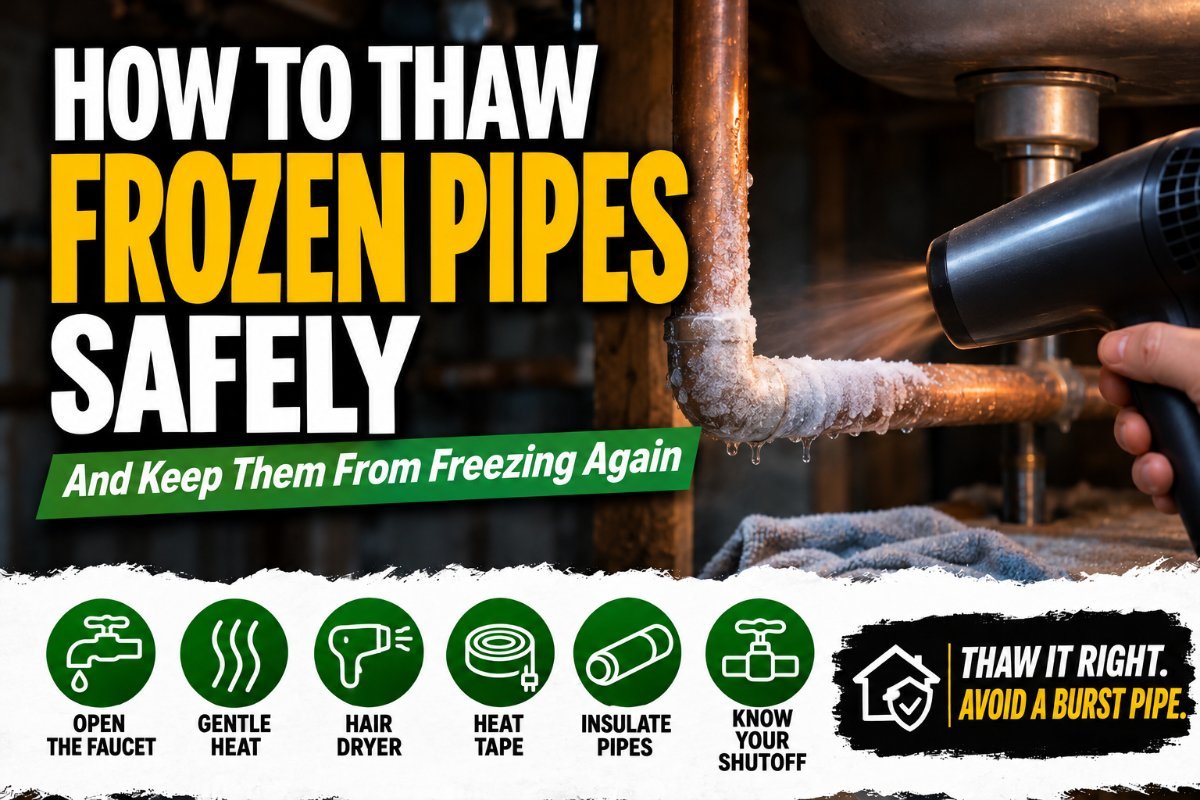
Use a hair dryer on a low or medium setting, moving it along the pipe starting near the faucet and working back toward the frozen spot. A space heater nearby (kept well away from anything flammable) or towels soaked in hot water also work. Heat tape works too.
Never use an open flame, a propane torch or a charcoal heater. Torches cause fires and can boil water inside the pipe until it bursts.
Step 4: Keep Going Until Full Pressure Returns
Don’t stop at a trickle. Keep heating until water flows normally. Then check every other faucet in the house, since there may be more than one frozen spot.
If a Pipe Has Burst
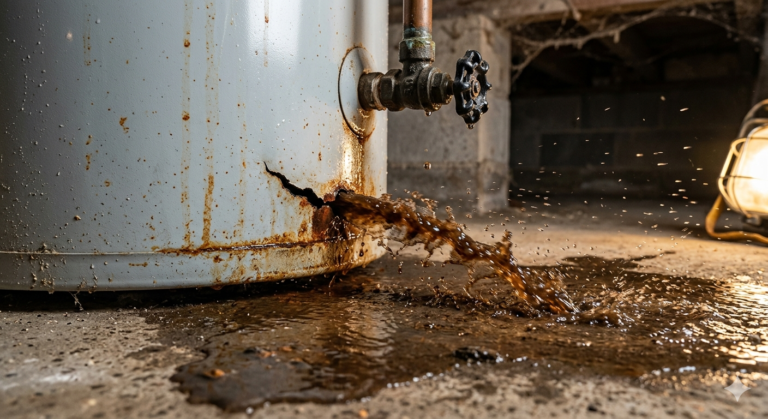
Shut off the main water valve immediately, turn off the water heater, and call a plumber. Know where your main shutoff is before winter. Seriously, go look today.
How to Keep Pipes From Freezing
Insulate exposed pipes with foam sleeves. Wrap problem pipes with a self-regulating heat cable. Open cabinet doors under sinks on exterior walls during cold snaps. Let faucets drip on the coldest nights. Disconnect garden hoses and cover outdoor faucets. Keep the heat at 55°F or higher, even when you’re away.
A Wi-Fi temperature sensor in the crawl space or under the sink can text you before things freeze.
Keep Reading
Best Smart Water Leak Detectors · Low Water Pressure in the Whole House? · How to Stop Drafts Under a Front Door · Furnace Blowing Cold Air?
FAQ
How long does it take for a frozen pipe to thaw?
With gentle heat, often 30 minutes to a couple of hours, depending on how cold it is and where the pipe is.
Will frozen pipes thaw on their own?
Sometimes, as temperatures rise, but the longer they stay frozen, the higher the risk of a burst. Thaw them actively.
Can I use a hair dryer to thaw pipes?
Yes. Keep it moving, use a low or medium setting, and keep it away from standing water.
At what temperature do pipes freeze?
Pipes in unheated areas can freeze when outdoor temperatures drop to around 20°F or below, especially overnight.
Should I let faucets drip?
Yes, on very cold nights. Moving water is much less likely to freeze.