
Water Heater Making Popping Noises? 6 Fixes Before It Fails
Disclosure: We may earn a commission when you buy through links on our site, at no extra cost to you.
Pop. Crackle. Pop. If your water heater sounds like it’s making popcorn every time it kicks on, you’re not imagining it, and you’re probably not in danger either.
Nine times out of ten, that noise is sediment. Minerals from your water settle on the bottom of the tank, trap little pockets of water under them, and when the burner or element heats up, that water boils and bursts through. Pop.
It’s not an emergency. It is a warning. Sediment makes your heater work harder, wastes energy and shortens the tank’s life. The good news? The main fix costs almost nothing and takes about an hour.
Quick Picks at a Glance
| Product | Best For | Deal |
|---|---|---|
| Water Heater Flush Kit | Draining sediment | Check Price on Amazon |
| Garden Hose (25 ft) | Reaching a floor drain | Check Price on Amazon |
| Magnesium or Aluminum Anode Rod | Replacing a worn rod | Check Price on Amazon |
| Water Heater Descaler | Heavy scale buildup | Check Price on Amazon |
| Whole-House Water Softener | Stopping hard water at the source | Check Price on Amazon |
Why Water Heaters Pop and Rumble
Hard water carries calcium and magnesium. When it’s heated, those minerals drop out and pile up on the tank floor. Over a few years that layer can get thick enough that you can hear water fighting its way through it.
Electric heaters can make a similar sizzling or popping sound when sediment buries the lower heating element. Gas heaters pop more, because the flame heats the bottom of the tank directly.
Fix 1: Flush the Tank
This is the big one. Turn the thermostat to “vacation” or pilot (gas) or switch off the breaker (electric). Shut the cold water supply valve at the top of the tank. Hook a garden hose to the drain valve near the bottom and run it to a floor drain or outside.
Open a hot water faucet upstairs so air can get in, then open the drain valve. Let it run until the water comes out clear. Briefly open the cold supply to stir up the bottom and drain again. Repeat until it’s clear, close everything up, refill, and turn the power back on only when the tank is full.
Careful: that water is hot. Let the tank cool for an hour or two first if you can.
Fix 2: Check the Anode Rod
The anode rod is a sacrificial metal rod that corrodes so your tank doesn’t. When it’s worn down to wire, the tank starts rusting from the inside. Pull it every two or three years (you’ll need a 1-1/16″ socket and some muscle). If it’s thinner than a pencil or caked in scale, replace it.
Fix 3: Turn the Temperature Down a Bit
Most people don’t need water hotter than 120°F. Higher settings speed up mineral buildup and make the popping worse. Dropping the temp also saves energy and lowers scald risk.
Fix 4: Deal With Hard Water
If you flush and the popping comes back within months, your water is the problem. A water softener stops the minerals before they reach the tank. That protects the water heater, your fixtures and your dishwasher. See our guide to the signs you need a water softener.
Fix 5: Check the Burner or Elements
On a gas heater, a dirty burner or a weak flame can cause rumbling and soot. Look through the sight glass. You want a steady blue flame. Yellow or flickering means it needs cleaning or a pro’s look. On electric units, a buried lower element may need replacing after a flush.
When Popping Means It’s Time to Call a Pro
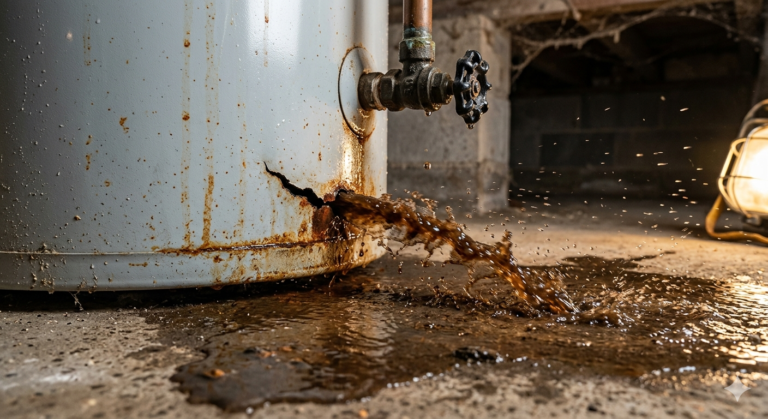
If the noise comes with leaking at the base, rusty hot water, or the tank is over 10 to 12 years old, flushing won’t save it. Those are signs of a failing tank. Read our 5 signs your water heater is about to fail before it floods the basement. And any time you smell gas, leave the house and call the gas company.
How Often Should You Flush a Water Heater?
Once a year for most homes. Every six months if you have very hard water. Put it on the calendar next to your smoke alarm battery check. Your future self (and your basement floor) will thank you.
Keep Reading
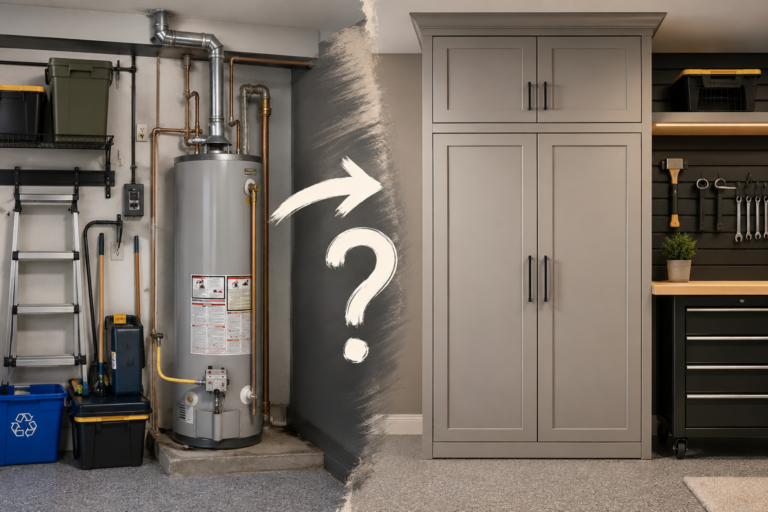
5 Signs Your Water Heater Is About to Fail · 7 Signs You Need a Water Softener · 21 Ways to Hide a Water Heater · Best Smart Water Leak Detectors
FAQ
Is a popping water heater dangerous?
Usually not. It’s most often sediment, which wastes energy and shortens tank life but isn’t an emergency. Leaks, rusty water or a gas smell are different stories.
Will flushing stop the popping?
Often, yes. If the sediment is very hard or years old, flushing helps but may not remove all of it.
How long does it take to flush a water heater?
About an hour for most tanks, plus cooling time if you wait for the water to cool down first.
Can I flush an old water heater?
Be careful with tanks over 10 years that have never been flushed. Old drain valves can leak or break. Have a replacement valve ready.
Why does my electric water heater crackle?
Sediment around the lower heating element. Flushing usually fixes it, but a heavily scaled element may need replacing.