

Condensation on the Inside of Windows in Winter? How to Stop It for Good
Heads up: this post contains affiliate links. If you buy through them, Home Addressed may earn a commission at no extra cost to you.
You open the blinds on a cold morning and the glass is dripping. Puddles on the sill. Maybe a little black speckling in the corners of the frame. Sound familiar?
Condensation on the inside of your windows isn’t a window problem, at least not usually. It’s an air problem. Your house is holding more moisture than it should, and the window is just the coldest surface around, so that’s where the water shows up. Same reason a glass of iced tea sweats in July.
A little fog in the bottom corners on a frigid morning is normal. Water running down the glass every day is not, because that moisture soaks into sills, peels paint, and feeds mold. Here’s how to dry things out.
Why it happens
Warm air holds more water than cold air. When warm, humid indoor air hits cold glass, it cools down fast and dumps that extra water onto the surface. The colder it is outside and the more humid it is inside, the worse it gets.
Where’s all that moisture coming from? You. Showers, cooking, boiling pasta, drying laundry inside, a big aquarium, a houseful of plants, even breathing. A family of four puts a lot of water into the air every day. In summer it escapes through open windows. In winter, with the house sealed up, it has nowhere to go.
1. Check your humidity first
Don’t guess. Get a cheap digital hygrometer for around $10 to $15 and set it in the room with the worst windows. The EPA recommends keeping indoor humidity below 60%, ideally between 30% and 50%. In cold weather you’ll often need to stay at the lower end of that range to keep windows dry.
If you’re reading 55% or higher on a cold day, you’ve found your problem. If you’re down around 35% and still getting heavy condensation, skip ahead to the window fixes.
2. Actually use your vent fans
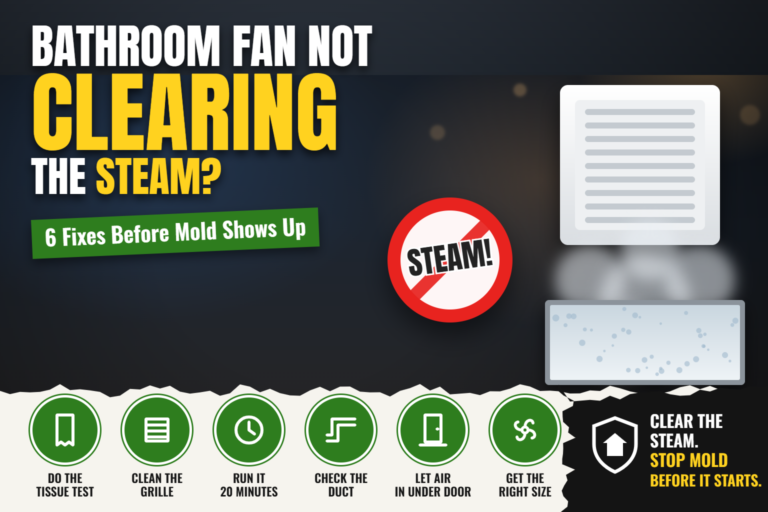
Most people flip the bathroom fan off the second they step out of the shower. That’s exactly when it matters most. Run it for at least 20 minutes after a shower, and run the range hood any time you boil, simmer, or fry. If your bathroom fan doesn’t seem to do much, our guide on fixing a bathroom fan that won’t clear steam covers why.
3. Run a dehumidifier
If the hygrometer’s stuck high, a dehumidifier is the fix that actually works. Put it in the dampest area (often a basement or the bedroom with the worst windows), set it to around 40% to 45%, and let it run. Empty the bucket or hook up a drain hose so you’re not hauling water every morning.
A 35-pint Energy Star dehumidifier handles most medium rooms and basements. It’s the one thing on this list that costs real money, and in my opinion it’s worth it. You’ll feel the difference in the whole house, not just the windows.
4. Open the blinds and curtains
This sounds too simple to matter. It isn’t. Heavy curtains and closed blinds trap a pocket of air against the glass, and that air gets really cold, which makes condensation much worse. Open them during the day, and leave a small gap at night so warm room air can reach the glass.
5. Add window insulation film
If your windows are older single-pane or leaky aluminum frames, the glass just gets too cold. A window insulation film kit adds a clear layer of plastic over the window with an air gap behind it, which keeps the inside surface warmer. You stretch it over double-sided tape and shrink it tight with a hair dryer. It’s cheap, it works, and it comes right off in spring.
While you’re at it, check for drafts. Cold air leaking in around frames and doors chills nearby surfaces too. Our post on stopping drafts under your front door covers weatherstripping that works on windows too.
6. Wipe it down and watch for mold
Until you get the humidity down, wipe wet glass and sills every morning with a microfiber towel. Standing water is what does the damage. If you already see black spots in frame corners or on caulk, clean them with soap and water and keep an eye out. Mold that keeps coming back, a musty smell, or soft, rotting wood around the sill means it’s time to bring in a pro.
When it’s condensation between the panes
If the fog is between the two layers of glass and you can’t wipe it from either side, that’s different. The seal on a double-pane window has failed. Nothing on this list fixes that. You’ll need a replacement glass unit or a new window, and it’s worth getting a quote, since a failed seal also means the window lost a lot of its insulating value.
Shopping for one? We compared the top models in our guide to the best dehumidifiers for basements and bedrooms.
FAQ
Why do my windows get condensation on the inside in winter?
Warm, humid indoor air hits the cold glass and releases its moisture as water droplets. The colder it is outside and the more moisture you have indoors from showers, cooking, and breathing, the worse it gets.
Is condensation on windows bad?
A little fog on very cold mornings is normal. Heavy condensation every day is a problem, because the water soaks into sills and frames, peels paint, and can lead to mold and wood rot.
What humidity level stops window condensation?
The EPA recommends keeping indoor humidity below 60%, ideally 30% to 50%. When it’s very cold outside, staying closer to 30% to 40% usually keeps windows dry.
Will a dehumidifier stop condensation on windows?
If high indoor humidity is the cause, yes. A dehumidifier set to around 40% to 45% usually makes a big difference within a few days.
Does opening a window help with condensation?
Briefly, yes. Cracking a window for 10 to 15 minutes swaps humid indoor air for dry winter air. It’s a fine quick fix, but it wastes heat, so fans and a dehumidifier are better long-term.
Why is there condensation between my window panes?
That means the seal on a double-pane window has failed and moist air got inside. You can’t wipe it away, and it usually requires replacing the glass unit or the window.
Disclosure: Home Addressed may earn a commission if you buy through links on this page, at no extra cost to you. See our affiliate disclosure.




2 Comments